Key Takeaways
- Preparing your body with hydration and light activity before a deep tissue massage helps your muscles respond better to the work.
- During the session, expect firm, targeted pressure and open communication with your massage therapist about your comfort level.
- Mild soreness after a deep tissue massage is normal and usually fades within a day or two.
- Recovery habits like hydration, ice or heat, and gentle movement help your body get the full benefit of the massage.
- Making deep tissue massage a regular part of your routine, rather than a one-time fix, leads to better long-term results.
- The massage therapists at Back to Basics specialize in deep tissue massage for Atlanta patients, and you can request an appointment to get started.
How to Prepare Your Body Before a Deep Tissue Session
A little preparation goes a long way toward getting the most out of a deep tissue massage. In the hours before your appointment, focus on the following:
- Hydrate well. Well-hydrated muscle tissue responds more easily to deep pressure and is less prone to cramping during the session.
- Avoid intense exercise right beforehand. A hard workout right before your massage can leave muscles already fatigued and more sensitive to pressure. Light movement, like a short walk, is a better choice.
- Eat a light meal, not a heavy one. Lying face-down on a massage table shortly after a large meal can be uncomfortable. Aim to eat at least an hour or two beforehand.
- Avoid alcohol before your appointment. Alcohol can affect circulation and how your body responds to deep tissue work.
Arriving a few minutes early also helps. It gives you time to fill out any necessary paperwork and settle in, rather than starting the session already rushed.
What to Expect During the Session
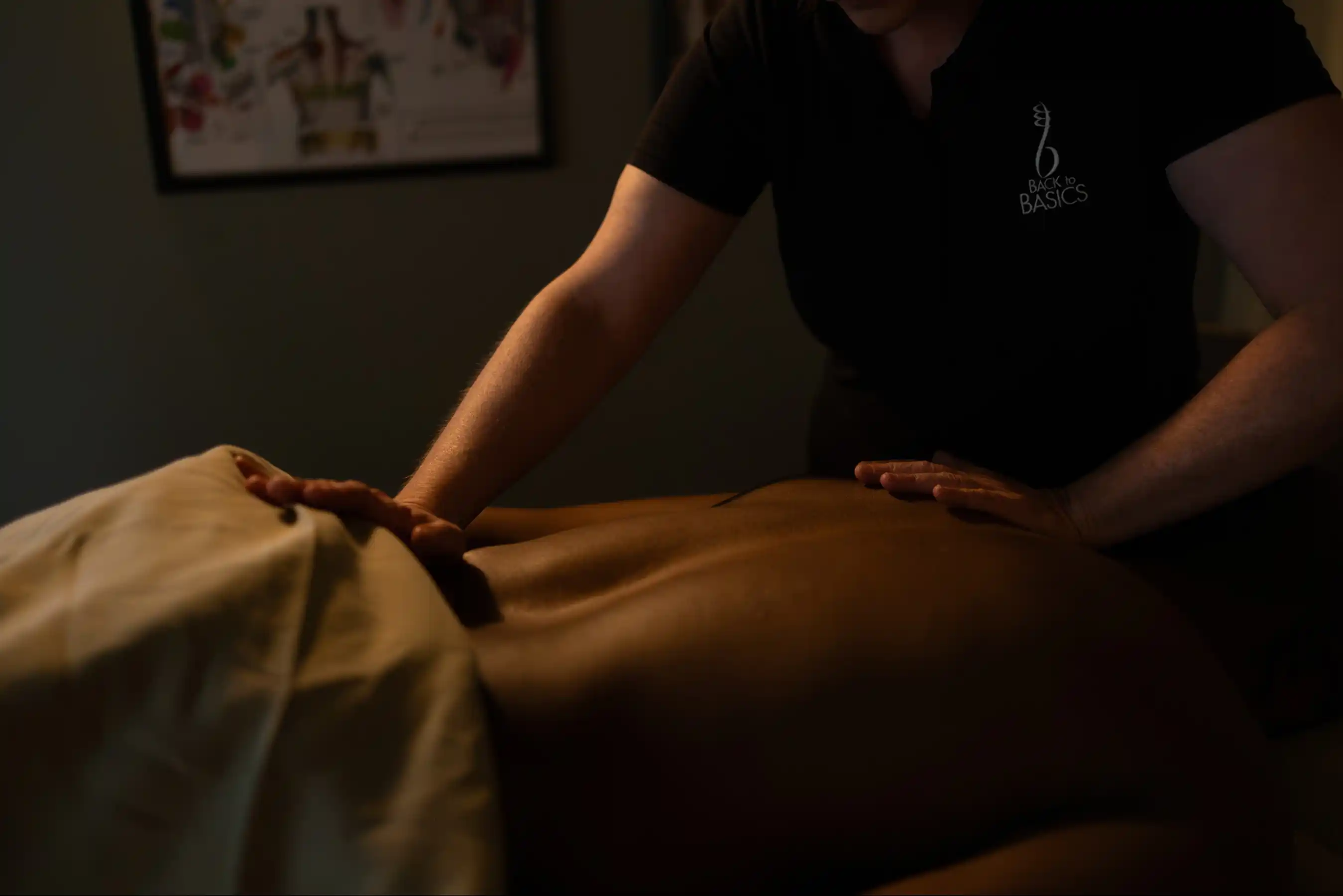
Deep tissue massage differs from a lighter, relaxation-focused massage. Your therapist will use slower strokes and more direct pressure to reach the deeper layers of muscle and connective tissue, often working on areas of chronic tightness or specific problem spots you've identified beforehand.
Before the session begins, your therapist will typically ask about any areas of pain, tension, or old injuries so the session can be tailored to your needs. During the massage itself, communication matters. Pressure that feels 'too much' isn't more effective — it just increases the chance of excess soreness afterward. Speaking up if something feels too intense allows your therapist to adjust in real time and still target the tissue effectively.
Why Some Soreness Afterward Is Normal
It's common to feel some soreness, tiredness, or even a bit achy in the hours following a deep tissue massage, similar to how muscles feel after a workout. According to Mayo Clinic, massage therapy is generally considered safe, though it's normal to feel some soreness afterward since the muscles have been worked directly.
This soreness typically peaks within the first day and fades within 24 to 48 hours. If discomfort is severe, doesn't improve after a couple of days, or is paired with bruising or swelling, it's worth following up with your massage therapist or another member of the Back to Basics team.
Post-Massage Recovery Tips
A few simple habits after your appointment help your body recover fully and hold onto the benefits of the session longer:
| Recovery Step | Why It Helps |
|---|---|
| Drink water | Supports circulation and helps flush out metabolic waste released during the massage |
| Apply heat or ice as needed | Heat relaxes lingering tension; ice can reduce soreness in a specific tender spot |
| Rest the treated area | Gives worked muscles time to recover rather than immediately re-straining them |
| Move gently later that day | Light stretching or walking keeps blood flowing without overtaxing the muscles |
Avoid scheduling intense exercise or another deep-pressure treatment on the same day as your massage. Giving your body a full day to recover generally leads to better results than immediately layering on more physical stress.
How to Build Deep Tissue Massage Into a Regular Recovery Routine
Deep tissue massage tends to deliver the best results when it's approached as an ongoing part of a wellness routine rather than a single fix for a specific problem. Chronic tension, especially in the neck, shoulders, and lower back, often returns if the underlying habits, like extended sitting or repetitive movement patterns, don't change alongside it.
Many patients find that scheduling massage on a consistent basis, whether that's every few weeks or monthly, helps prevent minor tightness from building into more significant pain. Pairing regular massage with chiropractic care can address both the muscular and structural sides of chronic tension, which is one reason many Back to Basics patients use both services together.
Ready to Book Your Deep Tissue Massage?
Whether you're dealing with chronic tension or recovering from an intense week of activity, a little preparation and the right recovery habits help you get more out of every deep tissue massage. Back to Basics' licensed massage therapists tailor each session to your specific areas of tension.
Request an appointment for deep tissue massage at Back to Basics and let our team help you feel better, move better, and recover faster.
Frequently Asked Questions
Is it normal to be sore after a deep tissue massage near me?
Yes. Mild soreness for a day or two after a deep tissue massage is a normal response to the deeper pressure used during the session. It typically resolves on its own within 48 hours.
How often should I get a deep tissue massage?
This depends on your goals and how much tension you're carrying. Many patients benefit from a session every two to four weeks, while others use it more or less often based on activity level and stress.
Should I stretch before or after a deep tissue massage?
Light movement before your session, like a short walk, is fine and can help warm up the muscles. Gentle stretching after your massage, once any soreness has settled, can also support recovery.
What's the difference between a deep tissue massage and a regular massage?
A regular, or Swedish, massage focuses on relaxation with lighter, flowing strokes. Deep tissue massage uses firmer, more targeted pressure to reach deeper muscle layers and address specific areas of chronic tension or pain.
