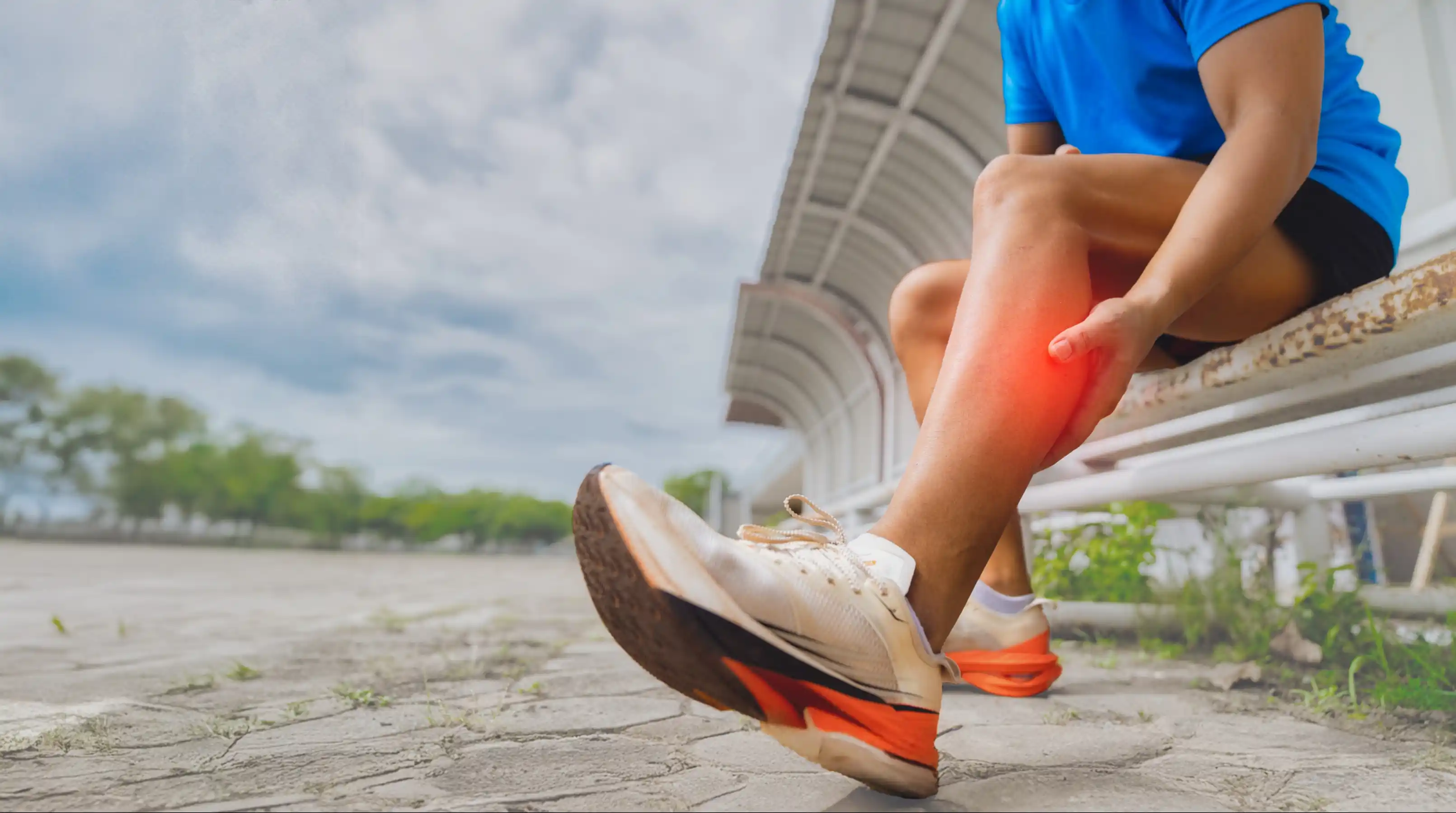
Key Takeaways
- Normal post-workout soreness usually starts one to three days after a hard workout, affects the muscles you worked, and fades within a few days.
- Pain that is sharp, starts suddenly, stays in one spot, or lasts more than a week is more likely to be an injury.
- Strains, stress fractures, and tendinitis are common injuries that people often mistake for soreness.
- Rest, light movement, and self-care help with soreness, but warning signs like severe swelling or dark urine mean you should get checked right away.
- Back to Basics, a 2025 and 2026 City's Best Award winner, helps Atlanta athletes and active adults recover with sports chiropractic care and massage therapy in West Midtown, and you can request an appointment online with Back to Basics.
Is It Soreness or Something More?
You crushed a new workout, a long run, or a tough game. Now something hurts. Is it the good kind of sore, or the kind that needs attention?
This guide answers the most common questions active people ask, so you can make a smart call about when to rest and when to get help.
What Is Normal Post-Workout Soreness?
The soreness you feel after a hard workout has a name: delayed onset muscle soreness, or DOMS. According to Cleveland Clinic's guide to DOMS, it starts one to three days after intense exercise and usually lasts only a few days.
What Causes DOMS?
DOMS happens when you work your muscles harder or differently than usual. Exercise can cause tiny tears in muscle fibers, and your muscles grow stronger as your body repairs them.
Movements where a muscle tightens while it lengthens, called eccentric exercises, are more likely to cause DOMS. Examples include:
- Walking or running downhill
- Lunges
- Landing from jumps
- The lowering phase of a bicep curl or pull-up
How Does DOMS Usually Feel?
- It builds slowly. You won't feel it during your workout.
- It shows up in the exact muscles you worked.
- Muscles may feel tender, stiff, or a little weak.
- It improves a bit each day.
Muscle Soreness vs. Injury: A Side-by-Side Comparison
| Normal Muscle Soreness (DOMS) | Possible Injury | |
|---|---|---|
| When it starts | One to three days after exercise | Often during activity or right after a specific movement |
| Type of pain | Dull, achy, and tender | Sharp, stabbing, or constant |
| Location | Spread across the muscles you worked | Focused on one spot, a joint, or a bone |
| How long it lasts | A few days, rarely more than five | A week or longer, or getting worse |
| With light movement | Often loosens up and feels better | Often hurts more or limits movement |
| Swelling | Little to none | Swelling or bruising may appear |
5 Signs Your Pain Is More Than Normal Soreness
Cleveland Clinic recommends seeing a healthcare provider if your soreness doesn't improve with rest, especially if:
- The pain lasts more than a week.
- The pain feels sharp and constant.
- You have severe swelling around a muscle.
- Your urine is unusually dark or has blood in it.
- You can't move or use part of your body, or the pain is bad enough to worry you.
Dark or bloody urine after intense exercise can be a sign of rhabdomyolysis, a serious breakdown of muscle tissue. Cleveland Clinic calls it a medical emergency, so go to the emergency room if you notice this symptom.
Common Injuries That Get Mistaken for Soreness
Muscle Strains
A strain is an injury to a muscle or tendon from overstretching or tearing. Cleveland Clinic notes that if soreness lasts a week or more, you might have an injury like a muscle strain rather than DOMS.
Stress Fractures
A stress fracture is a tiny crack in a bone caused by repeated force or overuse. According to Mayo Clinic's guide to stress fractures, they are most common in the weight-bearing bones of the lower leg and foot. The pain often starts in one specific spot and eases with rest. Mayo Clinic advises seeing a doctor if the pain becomes severe or continues even while you're resting or at night.
Tendinitis
Tendinitis is irritation of a tendon, the tough tissue that connects muscle to bone. It often causes pain near a joint, such as the shoulder, elbow, knee, or heel, that gets worse when you use that area. Unlike DOMS, it tends to linger or return each time you repeat the same movement.
When Should I Rest and When Should I Get Care?
When Are Rest and Self-Care Enough?
If your pain matches the DOMS pattern, Cleveland Clinic suggests:
- Resting the sore muscles from intense exercise until they recover
- Gentle movement, like a short walk or light stretching
- Heat to ease stiffness or cold to reduce pain
- Massage or foam rolling to improve blood flow
- Drinking enough water
When Should I See a Chiropractor or Massage Therapist?
Consider booking care if:
- The same area gets sore after almost every workout
- Pain or stiffness is changing how you move, run, or lift
- You keep getting the same injury over and over
- You're returning to training after an injury and want to do it safely
When Should I See a Medical Doctor First?
Get medical care right away if you have dark or bloody urine, can't bear weight, notice a visible deformity, have numbness or tingling, or feel a pop followed by sudden, severe pain.
How Do Chiropractic Care and Sports Massage Support Recovery?
Sports injuries are rarely as simple as they look. When one area gets hurt, the body compensates by tightening other muscles and shifting how you move. Over time, that can lead to new problems or the same injury coming back.
Sports rehab and enhancement care at Back to Basics looks at your whole kinetic chain, meaning the way your joints and muscles work together as you move. Care may combine:
- Spinal and extremity adjustments to restore healthy joint motion
- Soft tissue work to release tight, overworked muscles
- Targeted rehab exercises to rebuild strength and stability
Back to Basics' team knows sports care from personal experience. Dr. Sebastien Salomone has competed in collegiate soccer and triathlons up to the full Ironman distance, and Dr. Robert Bartz is a former college soccer athlete with a passion for helping young athletes.
Massage is also part of recovery. Sports massage and deep tissue massage help ease the soreness that builds up during long training cycles, whether you book after a hard effort or as regular maintenance.
If your provider has questions that a hands-on exam can't answer, Back to Basics offers on-site X-rays. If your condition is better handled by a different type of provider, the team will tell you that directly.
Train Smarter and Recover Faster With Back to Basics
Normal soreness fades on its own in a few days, while sharp, lasting, or worsening pain is your body asking for help. Back to Basics helps Atlanta athletes and active adults figure out what's really going on and get back to training safely.
Request an appointment at Back to Basics in West Midtown to start sports rehab and enhancement care or sports massage with a team that treats both soreness and injury.
Frequently Asked Questions
Should I see a sports injury chiropractor or a medical doctor?
For ongoing muscle and joint pain, stiffness, or recurring sports injuries, a sports chiropractor is a great place to start. For emergency warning signs, like dark urine, a visible deformity, or being unable to bear weight, see a medical doctor or go to the emergency room first.
How do I know if I need a sports chiropractor near me?
If pain lasts more than a week, keeps coming back in the same spot, or changes how you move, it's time to get checked. A sports chiropractor can look at how your whole body moves to find the cause.
Can a massage therapist near me help with sore muscles?
Yes. Massage can improve blood flow and ease stiffness in sore muscles. At Back to Basics, sports and deep tissue massage are often used to support recovery during heavy training.
Is it okay to work out with DOMS?
Light movement is usually fine and can help you loosen up. Cleveland Clinic suggests avoiding intense exercise on sore muscles until they recover. You can train different muscle groups in the meantime.
Where can I find chiropractic care in Atlanta for athletes?
Back to Basics in Atlanta's West Midtown neighborhood offers sports rehab, chiropractic adjustments, and sports massage for athletes of every level.
